
How to Get Solar Panels for the Home, and What are the Benefits
With energy prices continuing to rise, the demand for renewable, cost-effective power solutions has never been greater. From homes and offices to schools, hospitals, and places of worship, more organisations are turning to solar energy as a reliable, sustainable way to generate their own electricity and reduce their carbon footprint.
Solar panels convert free sunlight into usable electricity, cutting reliance on fossil fuels and protecting against market price fluctuations. Even on cloudy days, modern solar systems can produce energy to help power lighting, heating, and essential equipment across all property types.
Once seen as an expensive option, solar panels have become far more affordable thanks to advances in technology and growing market demand. They not only lower running costs but also contribute to a cleaner, greener environment for future generations.
At Crown Energy, we make switching to solar simple. Our team manages everything from initial site assessment to design, installation & ongoing support, so you can enjoy renewable energy without the hassle.
How do solar panels work?
Although it may sound complicated at first, solar panels operate in a straightforward way. Here’s a simple breakdown of how the process works:
- Once installed, solar panels absorb sunlight containing energy particles called photons.
- The panels’ photovoltaic (PV) cells convert this sunlight into direct current (DC) electricity.
- The DC electricity is sent to an inverter, usually located inside the building.
- The inverter converts DC into alternating current (AC), the type of electricity used to power most appliances.
- The AC electricity then flows through the property’s electrical panel, supplying lighting, heating & equipment.
- Any excess energy can be stored in a battery for later use or exported back to the National Grid for credit.
How do solar panels generate electricity?
The process of solar electricity generation is both fascinating and efficient.
The sun continuously releases energy in the form of massless elementary particles known as photons. These photons travel at the speed of light to Earth, carrying enormous amounts of potential energy. It’s estimated that just one hour of sunlight reaching the planet could meet global energy demand for an entire year, if it could be fully harnessed.
When photons strike the surface of a solar cell, their energy frees electrons from the atoms within the material. Conductors connected to the cell’s positive and negative sides form a complete circuit, allowing these freed electrons to flow, and this movement of electrons is what creates an electrical current.
Each solar panel contains many individual cells. When multiple panels (or modules) are connected together, they form a solar array. The larger the array, the greater the amount of electricity it can produce.
What are the benefits of solar panels?
Solar panels offer a wide range of benefits for all property types, from homes and offices to schools, hospitals and community buildings. Whether you’re looking to cut costs, lower your carbon footprint, or build long-term energy independence, solar power provides a practical and sustainable solution.
Below are some of the key advantages of installing a solar PV system:
1. Lower energy costs
One of the main reasons to install solar panels is to reduce energy bills.
Although there’s an upfront cost for the panels and installation, the savings build over time as you generate your own electricity. If your system produces more power than you use, the surplus can often be sold back to the National Grid, further offsetting your costs.
2. Low maintenance requirements
Solar panels are easy to maintain and require minimal upkeep. Their angled positioning means rainfall naturally helps keep them free from dust and debris, though an occasional clean ensures maximum performance. Routine maintenance is simple, cost-effective and infrequent.
3. Long lifespan
A well-installed solar system can operate efficiently for 25 years or more. Most panels retain the majority of their performance throughout their lifespan, with only minor component replacements, such as inverters, needed over time.
4. Improved efficiency
By generating electricity on-site, solar panels eliminate much of the energy lost during transmission from distant power stations. This makes them a highly efficient option for buildings that use large amounts of electricity throughout the day.
5. Increased property value
Properties fitted with renewable energy systems are often more attractive to buyers and tenants. Solar installations can add long-term value to both residential and commercial premises, reflecting lower running costs and future energy resilience.
6. Straightforward installation
In most cases, solar panels are classed as permitted development, meaning planning permission isn’t required. There are a few exceptions for listed buildings or conservation areas, but for the vast majority of sites, installation is simple and compliant.
7. Freedom to change energy suppliers
Installing solar panels doesn’t lock you into a specific energy provider. You’re still free to choose or switch suppliers, ensuring you continue to benefit from competitive tariffs and export payments.
8. Reduced reliance on the National Grid
Generating your own electricity gives you greater energy independence. In the event of grid outages or supply disruptions, solar and battery systems can continue powering essential equipment and lighting.
9. Energy use day and night
With battery storage included, solar energy produced during the day can be stored for use after dark. This helps balance energy demand across 24 hours and maximises the value of your renewable system.
10. 100% renewable energy
Solar power is fully renewable, harnessing the sun’s energy, a resource that will continue to provide power for millions of years. It’s a reliable, future-proof way to meet your electricity needs sustainably.
11. Clean, quiet and emission-free
Solar panels generate power without releasing harmful emissions or pollutants. They operate silently, produce no waste, and help improve air quality for communities and ecosystems alike.
Reasons why solar panels may not work
It can be frustrating to complete a solar installation only to find that the system isn’t generating electricity as expected. If your solar panels appear to have stopped working, there are a few common causes worth checking before calling in professional support:
- Defective components – Zero power output can result from faulty panels, a broken inverter, or a damaged charge controller. The inverter is especially important as it converts DC electricity into usable AC power for your building. If it’s not working correctly, contact your installer or supplier for inspection, repair, or replacement.
- Poor orientation – Solar panels perform best when positioned on a south or south-west-facing roof or surface, ensuring maximum sunlight exposure. North-facing installations receive limited sunlight and may struggle to generate sufficient power.
- Obstructions and shading – Trees, buildings, or nearby structures can cast shadows and reduce energy generation. Trim foliage where possible and ensure the panels are sited in a location with minimal shading throughout the day.
- Dirt and debris build-up – A layer of dust, dirt, or bird droppings can significantly reduce panel efficiency. Regular cleaning helps maintain performance, and pigeon-proofing options are available to prevent nesting or damage around the installation.
If you’ve checked these areas and your system still isn’t generating power, contact your installer or a qualified solar engineer to diagnose the issue safely.
How to check if my solar panels are working?
If you suspect your solar system isn’t performing as it should, a few quick checks can help identify the cause. These simple steps apply to both residential and commercial installations.
1. Examine your electricity bill
If your electricity bill is higher, unchanged, or only slightly lower than before your solar installation, the system may not be operating correctly. Compare your recent bills with those from the same period last year to account for seasonal differences.
2. Inspect your inverter
The inverter is a key component of your solar setup; it converts DC power from your panels into AC electricity used throughout your property. If the inverter is faulty, your system will stop generating usable energy.
Most inverters include indicator lights; if you notice red or orange lights, contact your installer or manufacturer for advice, as this usually signals a performance issue.
3. Check your solar meter or monitoring system
Your solar meter provides real-time information about energy generation. Watch for an increase in total kilowatt-hours over time, if the number isn’t rising, your system may not be producing electricity. Many modern setups include an online dashboard or app for easier monitoring.
4. Consider the weather
Solar panels generate more electricity on clear, sunny days. When it’s cloudy, output naturally drops, typically to 10–25% of their rated capacity, according to industry data.
This reduction is normal and doesn’t mean your system is faulty, but extended periods of low sunlight will affect overall production.
5. Contact your solar installer or supplier
If your panels still don’t appear to be working after you’ve completed the above checks, reach out to your installer or energy provider. They can carry out a professional inspection to diagnose and resolve the issue safely.
Regular monitoring helps ensure your solar panels continue delivering clean, cost-effective power year-round.
How much do solar panels for the home cost?
Switching to solar energy can lead to significant long-term savings and even generate additional income. By harnessing the power of the sun, homes, businesses & public buildings can reduce their reliance on fossil fuels, lower energy bills, and protect against future price increases.
The cost of a solar panel installation in the UK depends on several factors, including system size, roof type, property location and overall energy usage. As a general guide, a standard 4kWp solar PV system suitable for a medium-sized domestic property can typically save between £210 and £500 per year on electricity bills, based on current Ofgem Energy Price Cap data (October–December 2025).
Larger properties and high-demand sites such as offices, educational facilities or healthcare buildings could see even greater savings, particularly when paired with battery storage.
You may also be able to earn money for exporting surplus energy back to the National Grid through the government’s Smart Export Guarantee (SEG) scheme. This pays for every unit of unused electricity your system exports, helping offset installation costs over time.
While exact figures depend on system design, energy use & location, solar panels remain one of the most cost-effective and sustainable ways to generate clean electricity, offering long-term financial & environmental benefits across every sector.
For an accurate quote based on your property type, contact Crown Energy’s renewable team today.
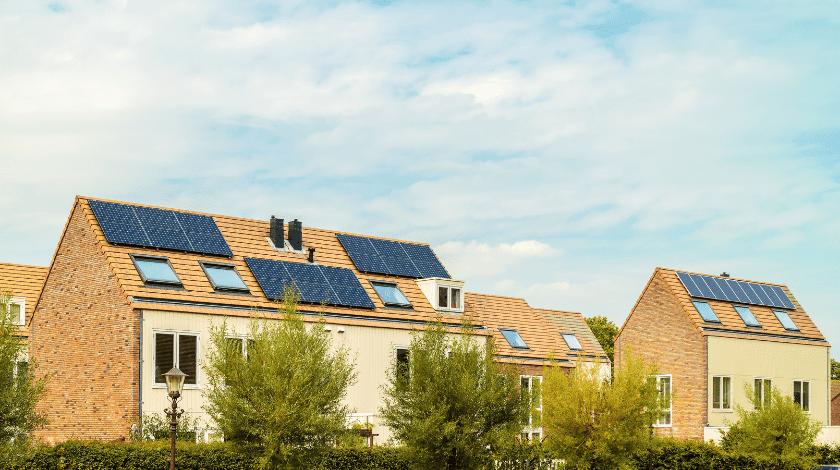
I want to switch – How do I get solar panels at home?
So, you’ve decided to make the switch to solar energy, a smart step toward reducing your energy costs and carbon footprint.
The first stage is to arrange a professional site survey. This ensures your property is suitable for solar panels and that the system design matches your energy requirements. Whether you’re installing panels for a home, business, school, or community building, Crown Energy can manage the entire process from start to finish.
Our renewable energy specialists will:
- Liaise with local authorities and network operators where required
- Provide a competitive, tailored quotation
- Schedule and oversee your solar installation safely and efficiently
We’ll also provide an indicative forecast of expected performance and potential savings based on your building’s energy profile. These figures are for guidance only, but help you understand the benefits of your investment.

See how we can help with your solar panel installation
To find out more, get in touch today on 0161 549 8482 to speak to one of our green energy experts.